Research on the Impacts of Mining and Hydroelectric Projects
Territorial and Governance Challenges: the Effects of Mining and Hydro-electric Projects
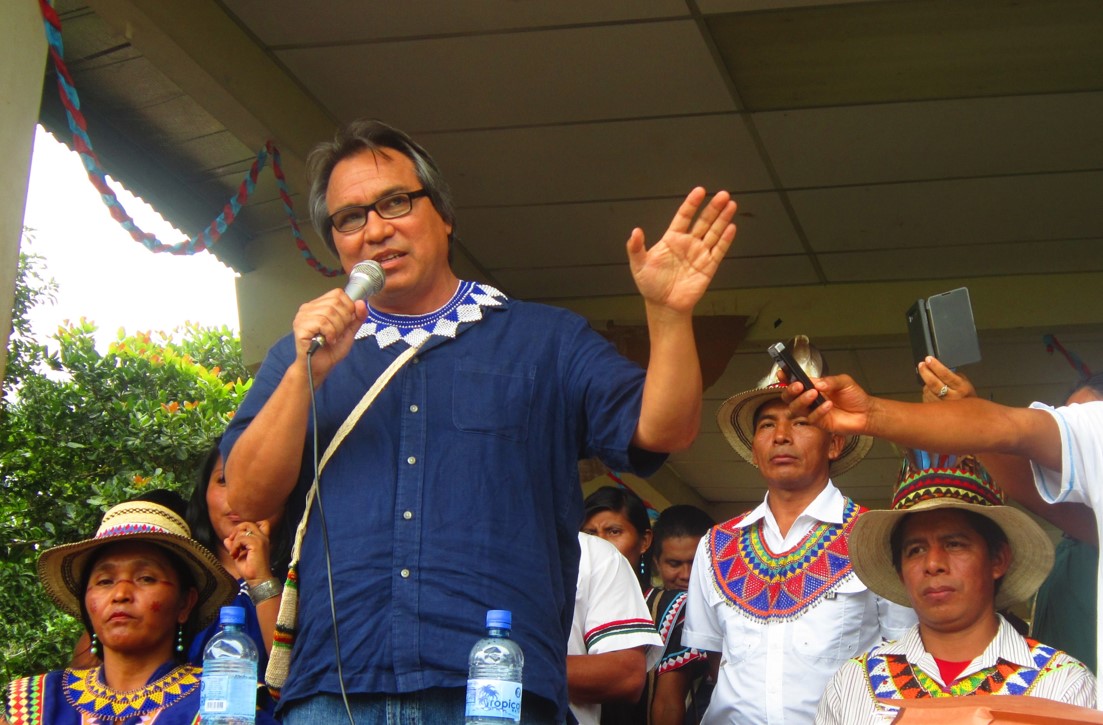
(L–R) Silvia Carrera, James Anaya and Celestino Mariano. Comarca Ngäbé-Buglé, July 2013.
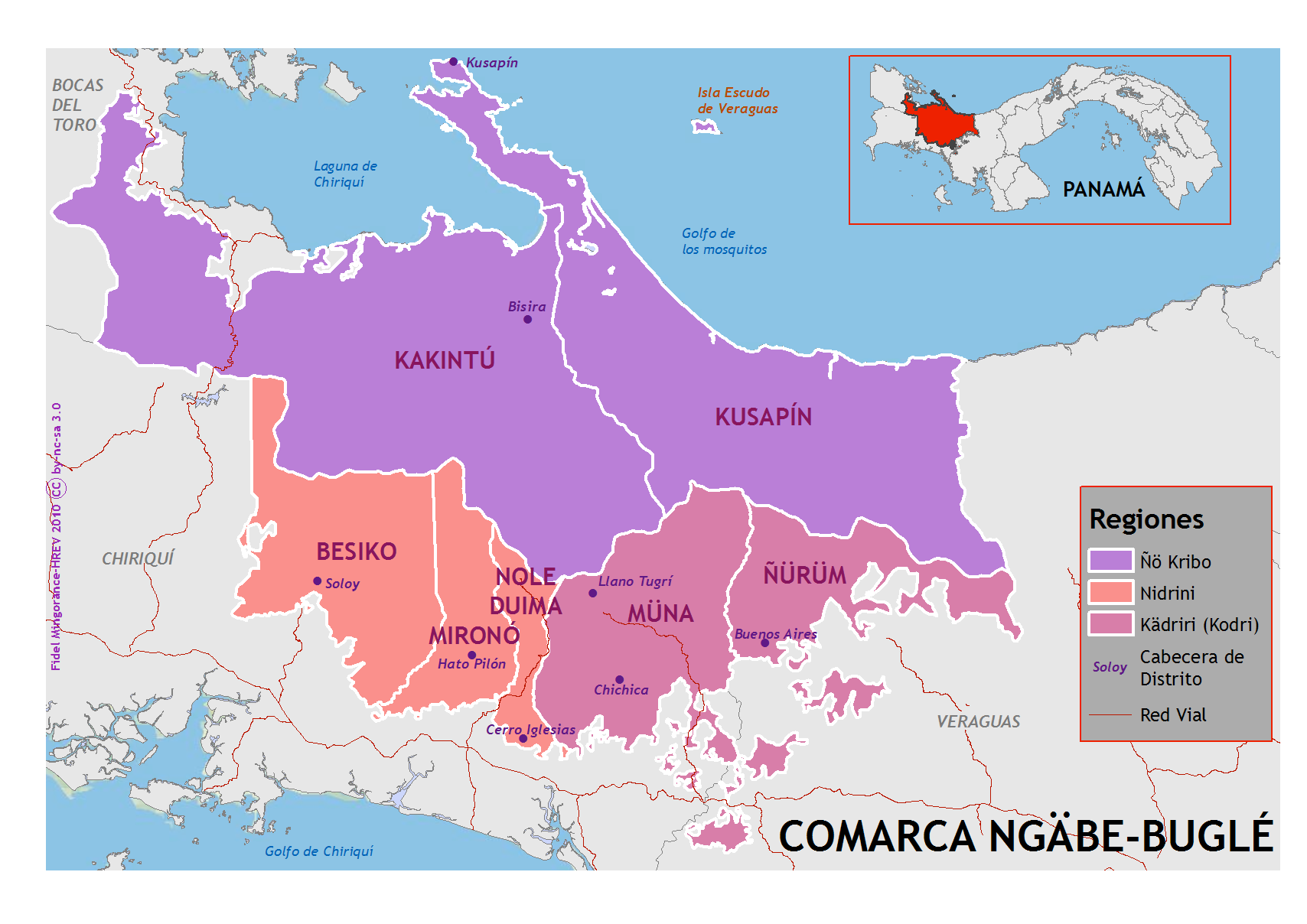
CICADA is partnering with the Congreso General de la Comarca Ngäbé-Buglé, the political governing body of Panama’s largest indigenous group, the Ngäbé and Buglé, to study the territorial and governance challenges that they face on their Comarca Ngäbé-Buglé territory, and to put forth proposals for mitigating the effects of mining and hydroelectric projects.
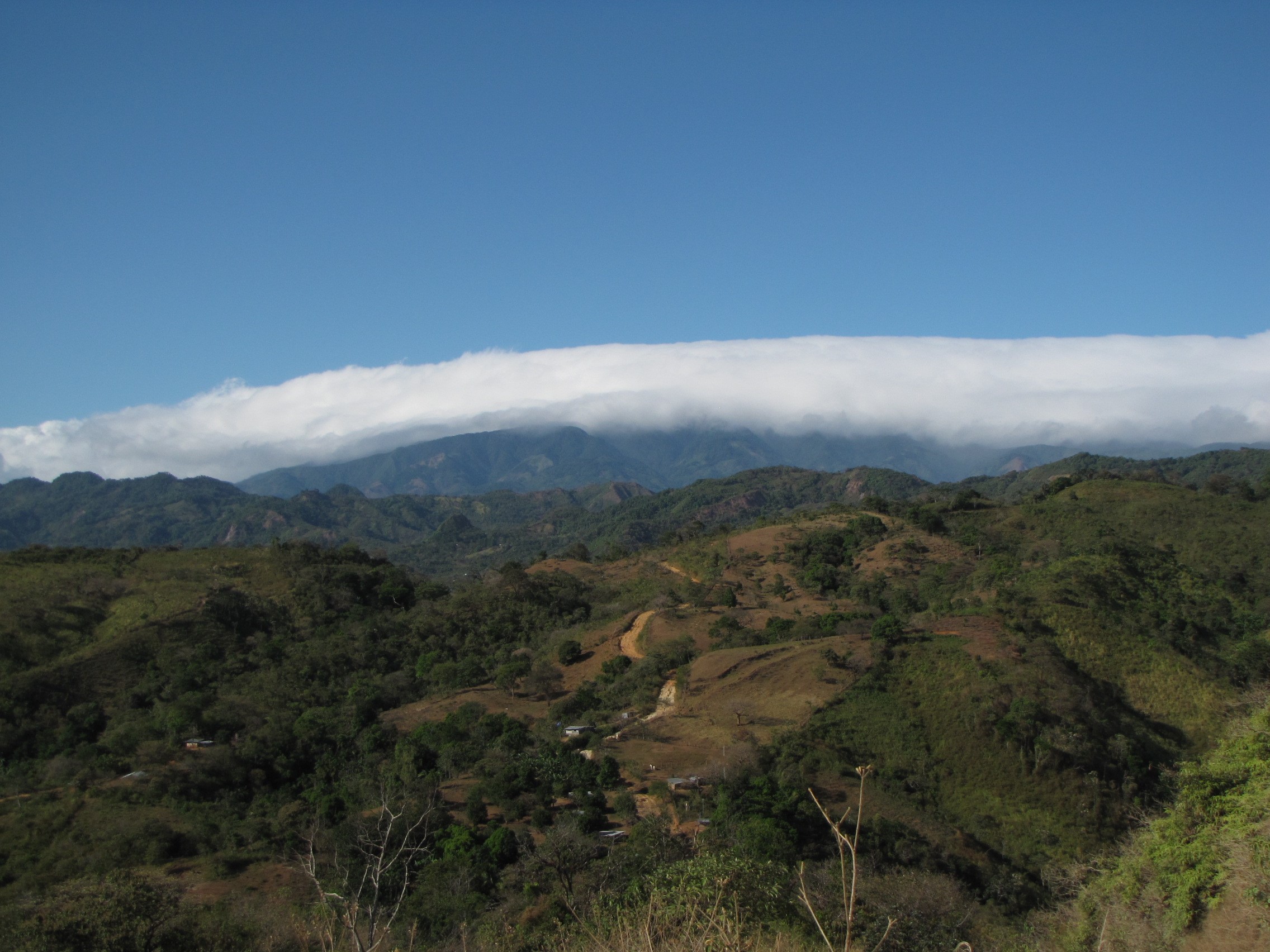
Nedrini Region, Comarca Ngäbé-Buglé. Source: Daviken Studnicki-Gizbert.
In 2010, the government of Panamá enforced an electoral reform, whereby the government can elect chiefs for the Ngäbé and Buglé, without the input of the Ngäbé and Buglé peoples. The Ngäbé-Buglé region has one of the largest deposits of copper in the world called Cerro Colorado.
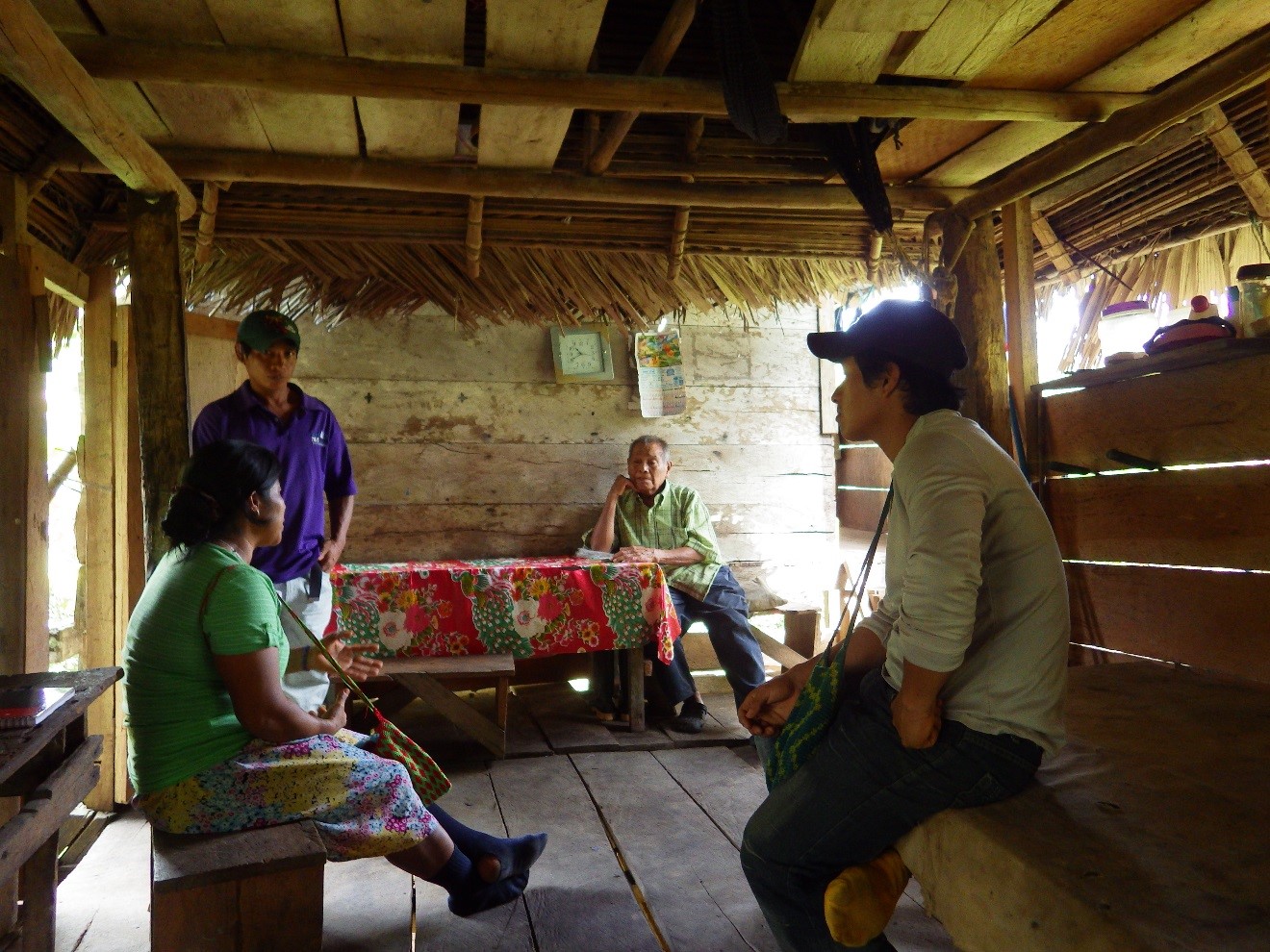
Comité Ambiental interviewing Buglé elders for the atlas of Urracá.
In light of the human rights violations the Ngäbé Buglé inhabitants faced during protests, they brought their complaints to the UN, who sent James Anaya, the Special Rapporteur on the Rights of Indigenous Peoples, in July 2013.
Anaya’s Proposals for Self-Governance
Anaya suggested many proposals:
Strengthening of Comarca Ngäbé-Buglé self-governance.
Self-assessment and resurgence of Ngäbé-Buglé culture.
Ngäbé-Buglé management of their territory and its development.
Since then, the Ngäbé and Buglé nations have attempted to implement these proposals through communication, books, radio, artisanal associations, and joint efforts of investigators and the community.
Academic Partnership and Territorial Defense
Daviken Studnicki-Gizbert McGill University
CICADA co-investigator Daviken Studnicki-Gizbert has been working with the Ngäbé and Buglé nations of central and western Panama, which have been on the frontlines of conflicts over territorial sovereignty and natural resource development.
Limits and divisions of the Comarca Ngäbé-Buglé in Panama.
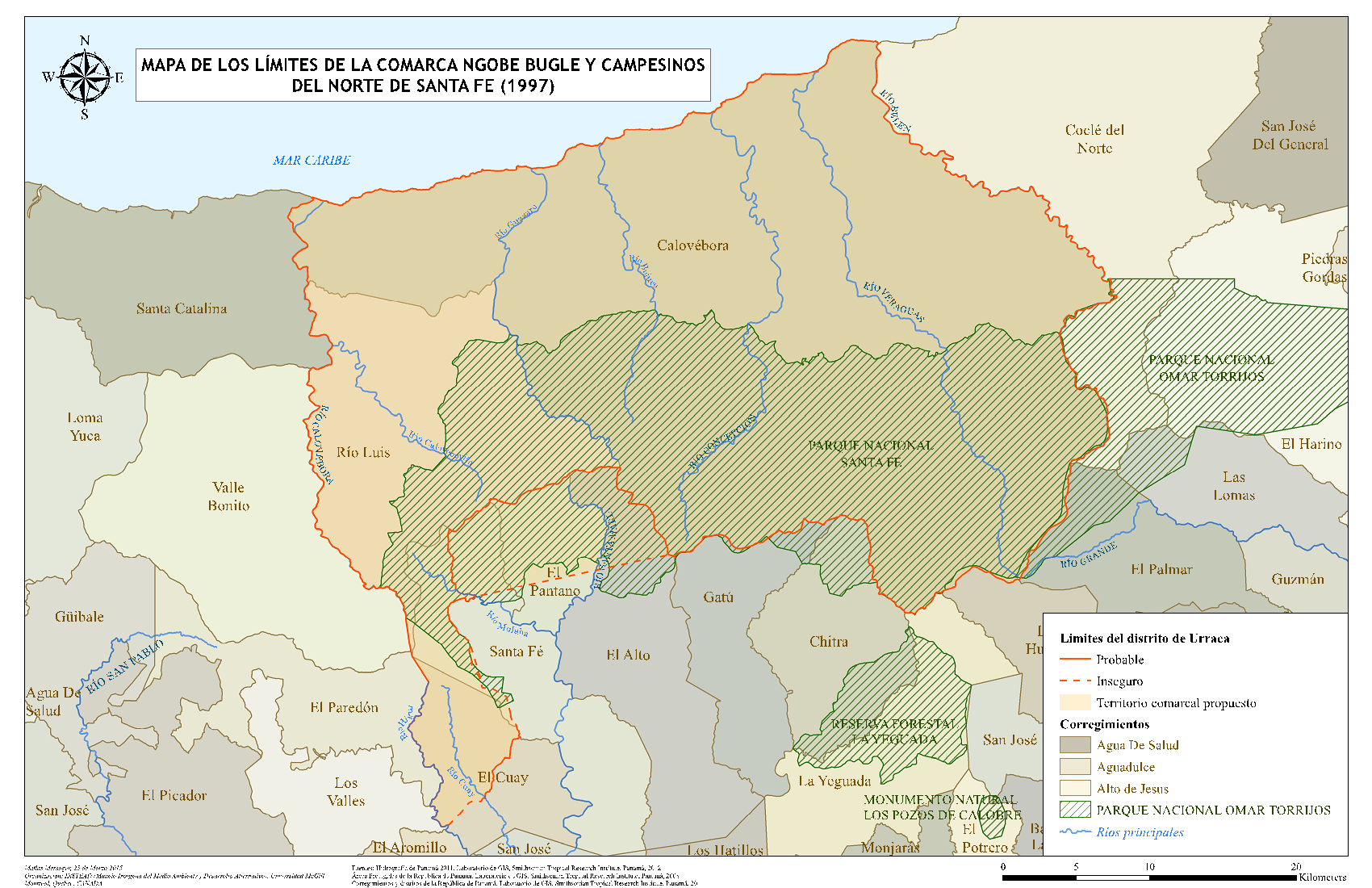
Immediately to the east of the Comarca is the Distrito de Urracá. Without formal indigenous title, communities face challenges of mining, conservation, and land titling by outsiders.
Map of the district of Urracá, claimed 1997.
A team of Buglé and Ngäbé representatives and McGill researchers are producing a thematic atlas of Urracá, which will be used as a tool for education and decision-making. Follow-up projects in videography and history are planned.