Tsilhqot’in Chilcotin district, interior of British Columbia
Tsilhqot’in First Nation
Central British Columbia, Canada
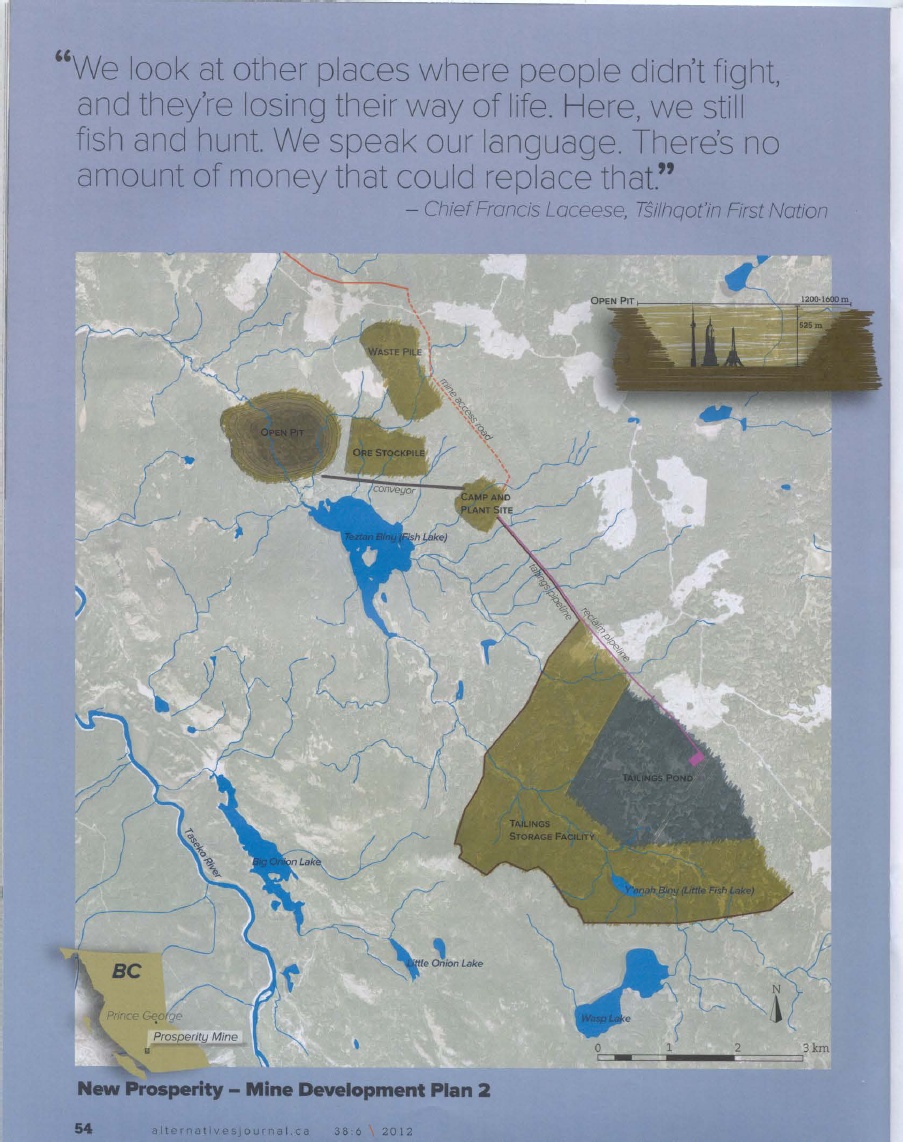
CICADA academic collaborator Catherine Nolin has been partnering with the Tsilhqot’in First Nation to articulate the community’s voices and perspectives on extractive industries such as logging and mining, particularly regarding the proposed New Prosperity Gold-Copper mine in 2012.
The Fight Against Prosperity Mine
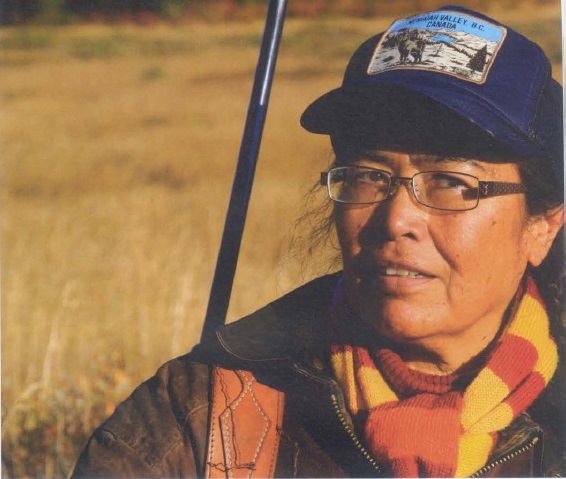
“Alice William knows every creek, spring, and legend of the Ts’yl?os mountain region”.
Catherine Nolin University of Northern British Columbia (UNBC)
Nolin’s article served as a platform for the community’s many voices. Tsilhqot’in Nation members describe the impacts of such extractive industries on their territory and highlight the persistence of resource extraction companies in their operation proposals.
“How can you practice your culture if you don’t have a land base to do it upon? It’s an everyday kind of thing. We depend on this area.”
—Lois Williams, Xeni Gwet’in Councillor
Cultural Connection to the Land
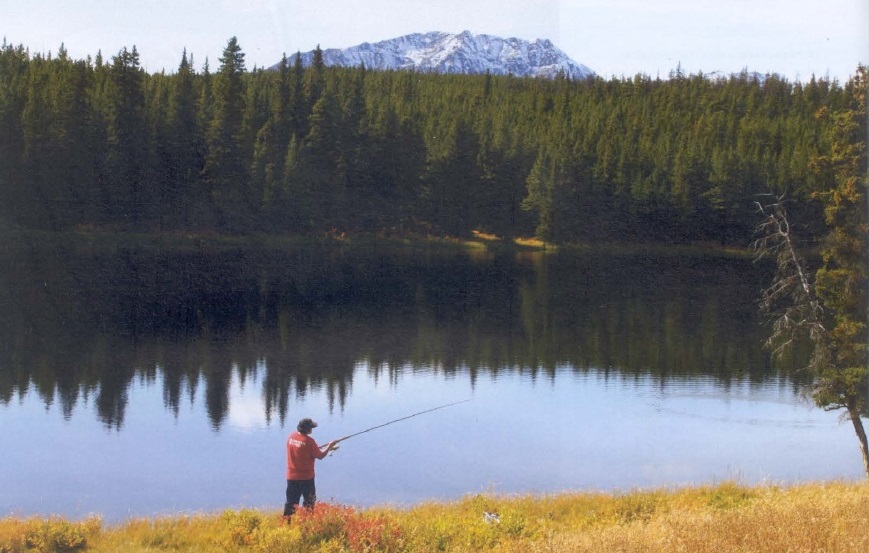
Casting for a Big Catch on Y’anah Biny (Little Fish Lake).
Catherine Nolin’s work with the Tsilhqot’in Nation identifies the significance of the land to community identity and livelihood.
The Tsilhqot’in territory encompasses sacred sites, traditional fishing grounds like Y’anah Biny (Little Fish Lake), and the Ts’yl?os mountain region, which hold deep cultural and spiritual significance. Catherine Nolin’s work documents how the land is intrinsically connected to Tsilhqot’in identity, cultural practices, and livelihood, making the protection of their territory essential for cultural survival.
“With so many proposals, the system is overwhelmed. With the price of metals, it’s like a modern day gold-rush.”
—JP Laplante, Tsilhqot’in National Government mining, oil, and gas manager
Historic Land Rights Victory
In 2014, the Tsilhqot’in Nation achieved a landmark legal victory when the Supreme Court of Canada granted them Aboriginal title to approximately 1,750 square kilometers of their traditional territory — the first time in Canadian history that a First Nation was granted title to lands outside of a reserve. This historic decision has significant implications for indigenous land rights across Canada and strengthened the Tsilhqot’in’s ability to protect their territory from unwanted development projects like the Prosperity Mine.